Brand glue
One coherent language across Astrodata’s website, proposals, decks, sales material, and product.
Portfolio · Audible VX
I’ve spent my career designing visual experiences for consumer media and storytelling brands. With design changing faster than it ever has, I’d like the next chapter to be more considered.
I started in game design, as a 2D and 3D artist, then some of the early design-forward websites, making the screen feel alive when most of the web didn’t. The through-line ever since: visually rich, dynamic experiences that make something complex or unfamiliar feel inviting.
Sapient · Design Manager across San Francisco, London, and New Delhi.
Yahoo · Design Director across Entertainment, Music, and Video.
Sony Pictures Television Networks · VP of UX across Crackle, Animax, and Sony Networks.
Today I run my own studio, Wagabaza, where the last five years have been rapid: problem in, solution out, next one up.
What pulls me to Audible is the medium. The experience is audio, and the design job is to make it feel rich and welcoming without ever competing with the listening. That’s a genuinely hard, genuinely interesting problem, and where I’d like to keep developing: at depth, not velocity.
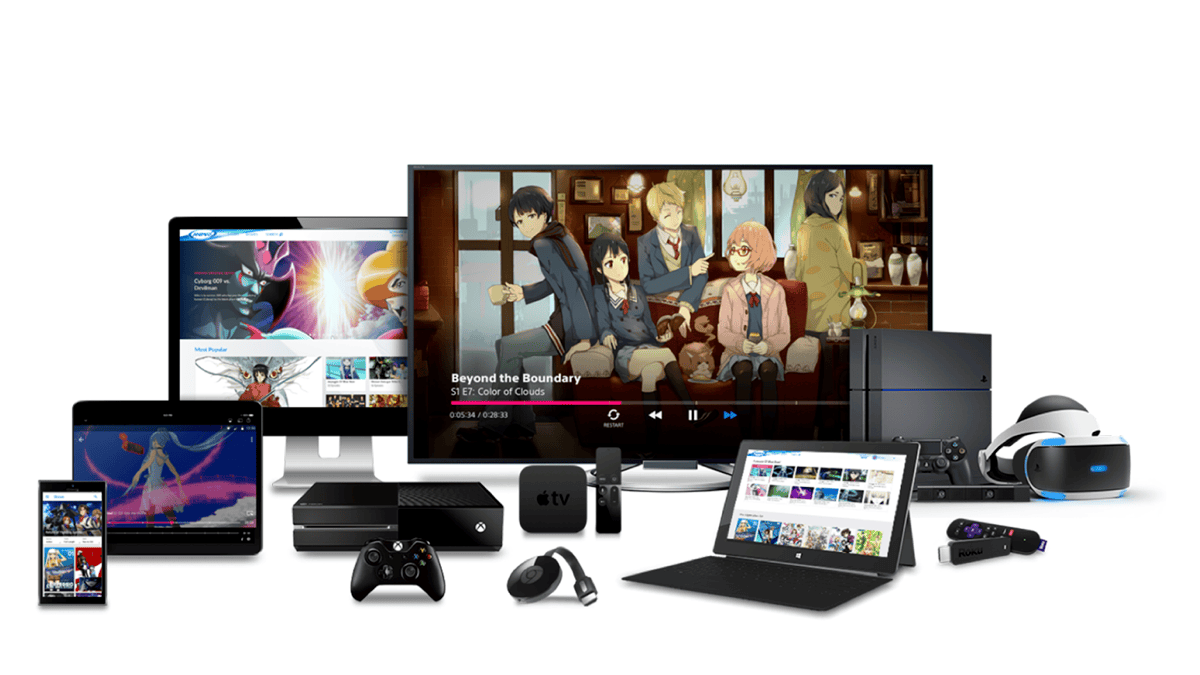
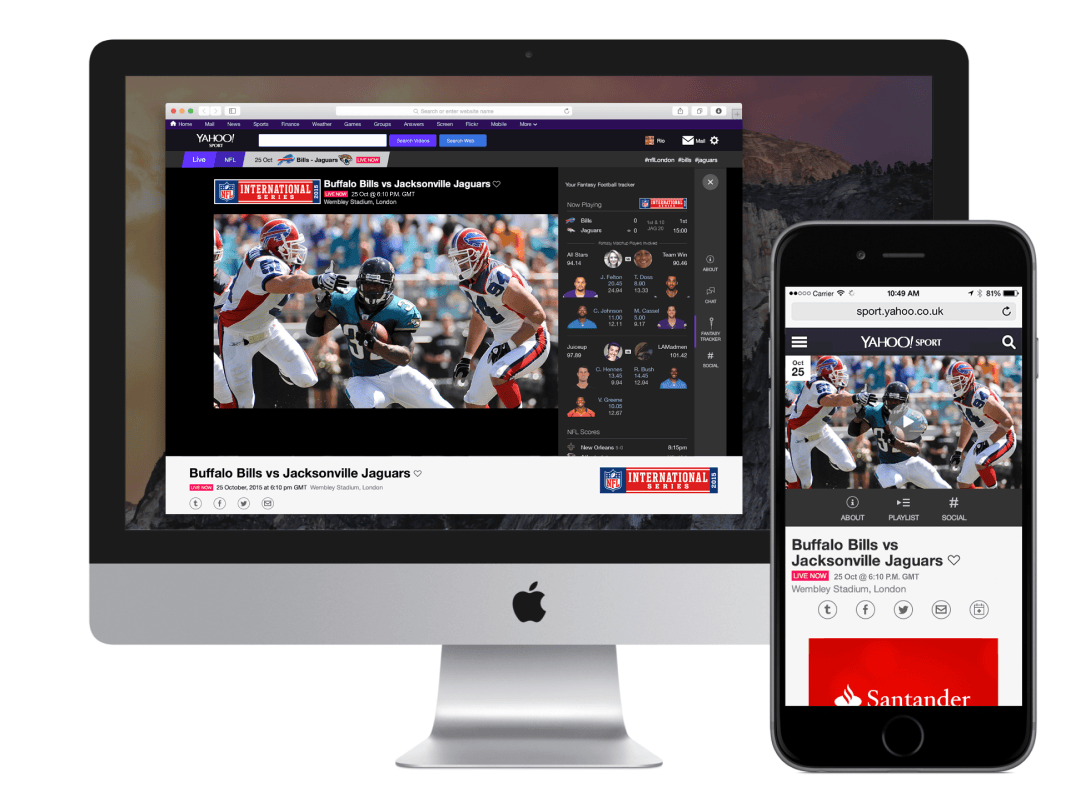
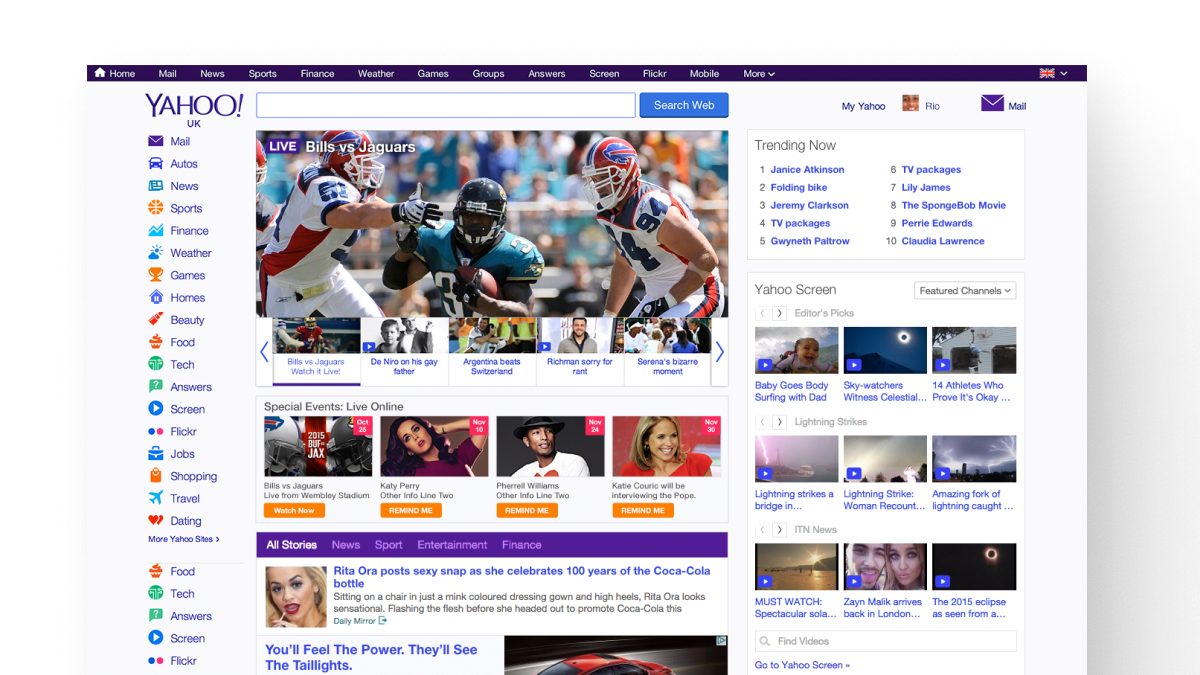
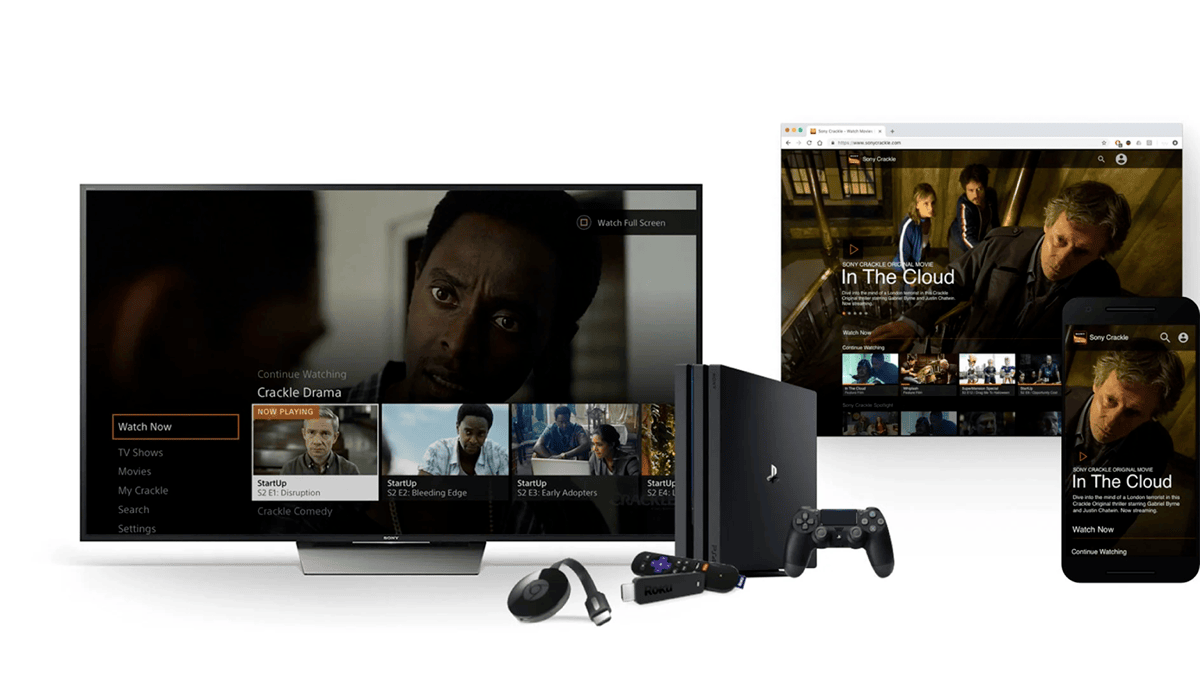
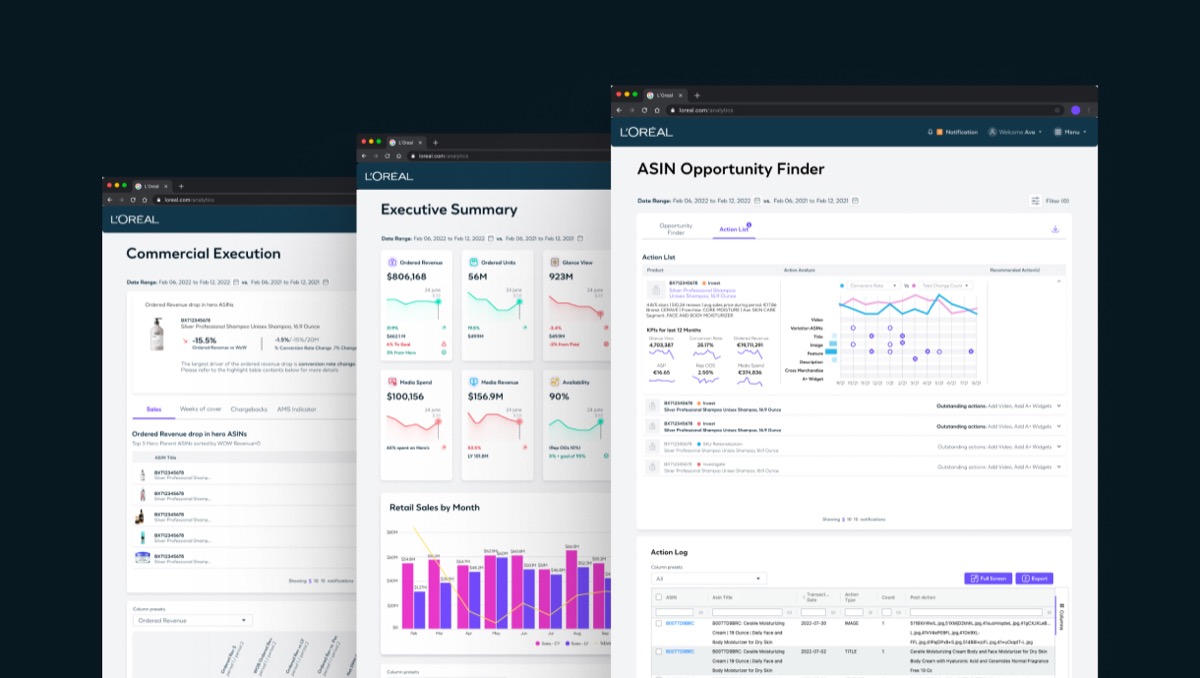
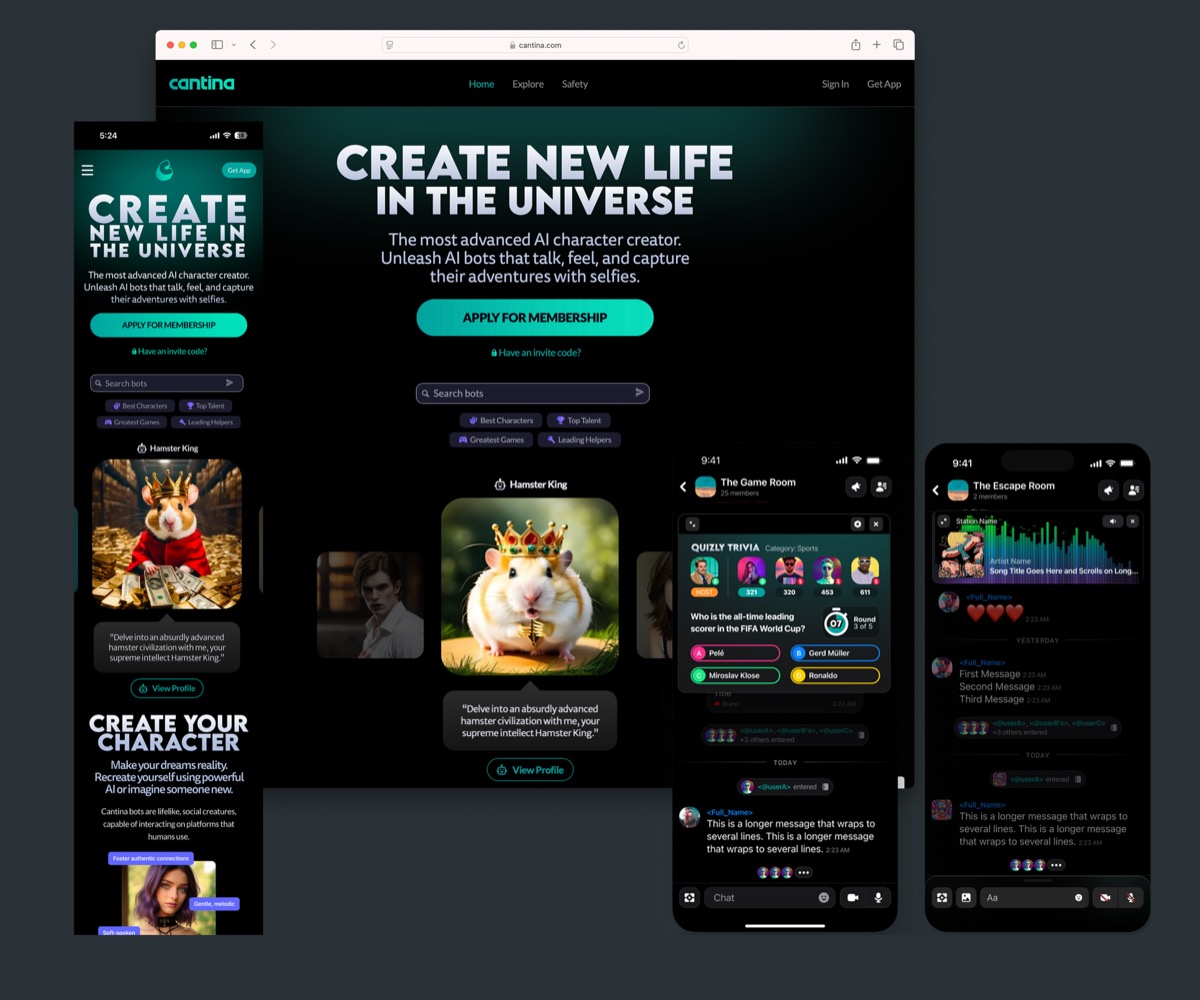
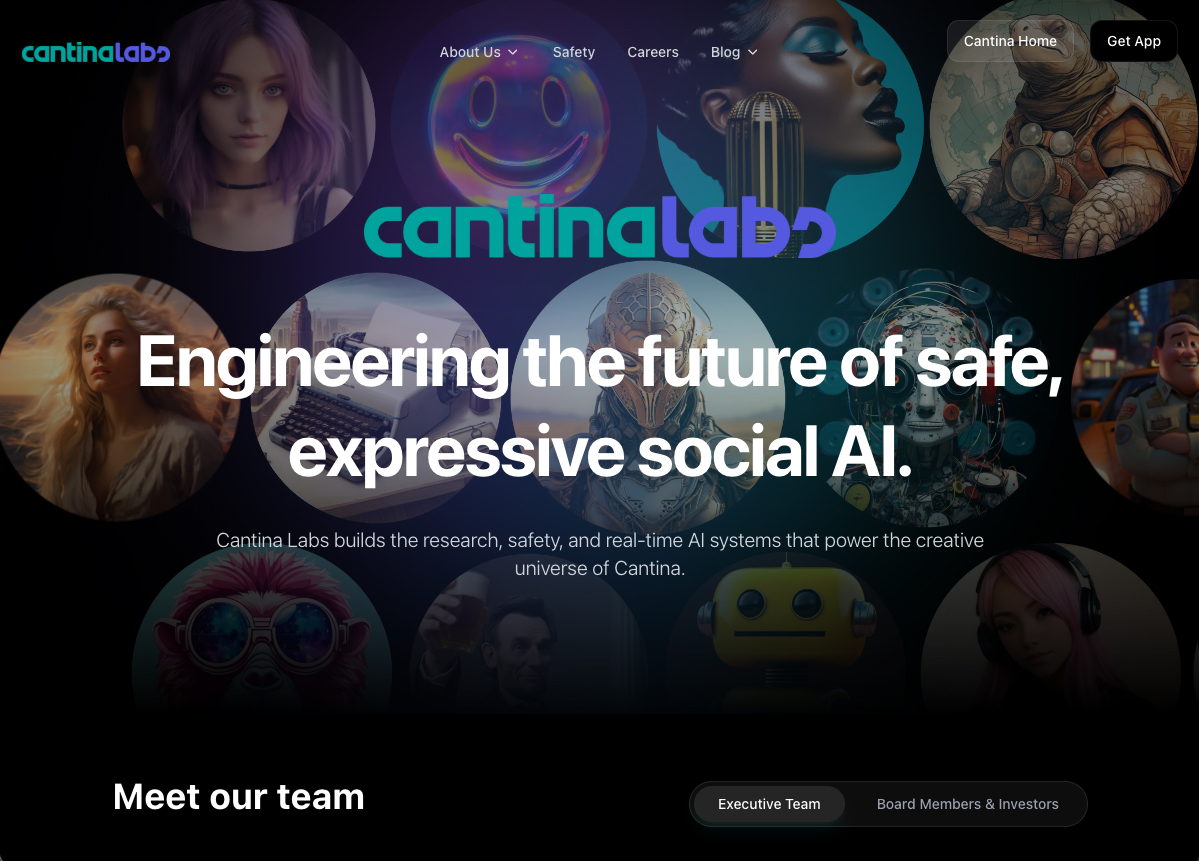
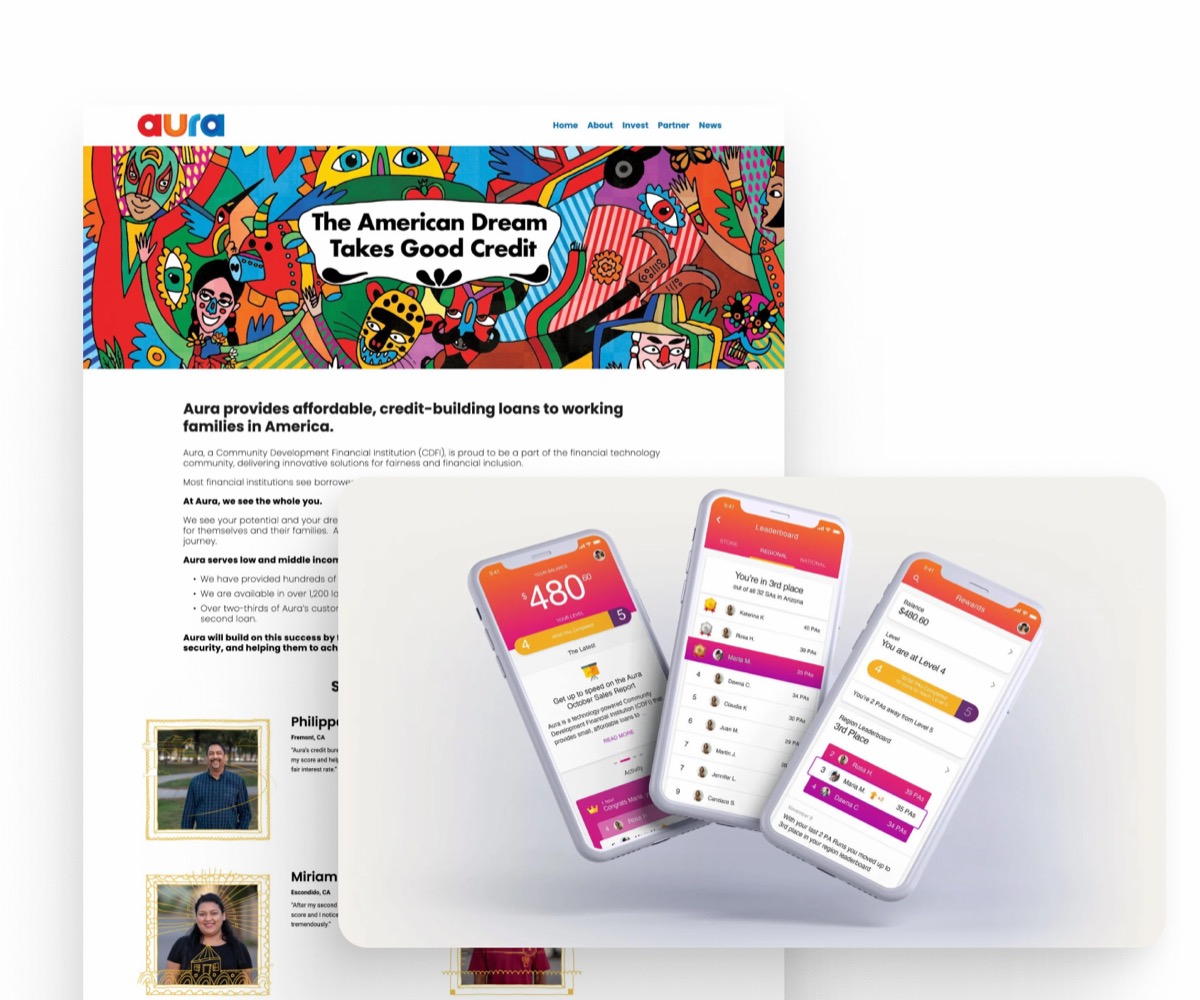
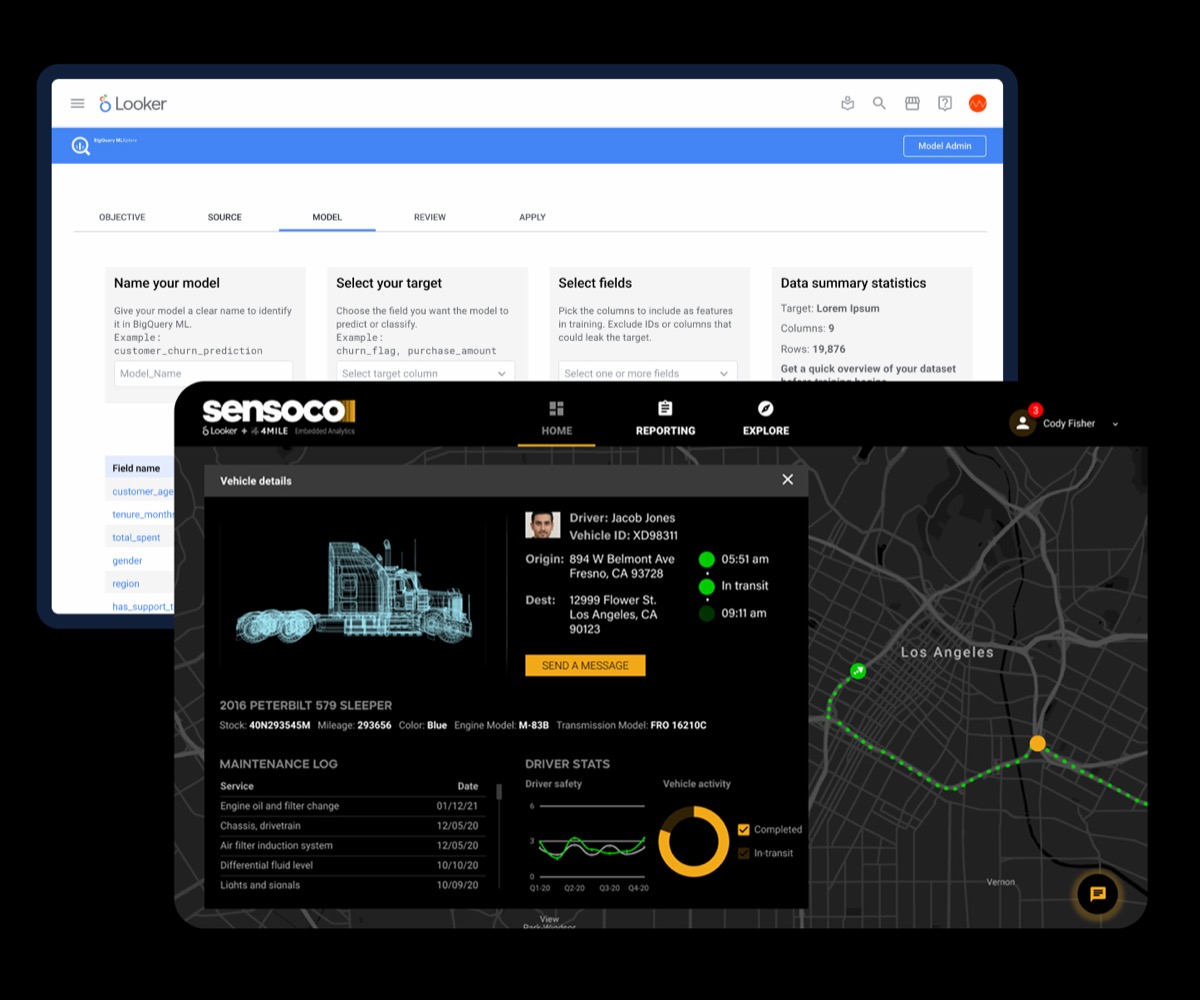
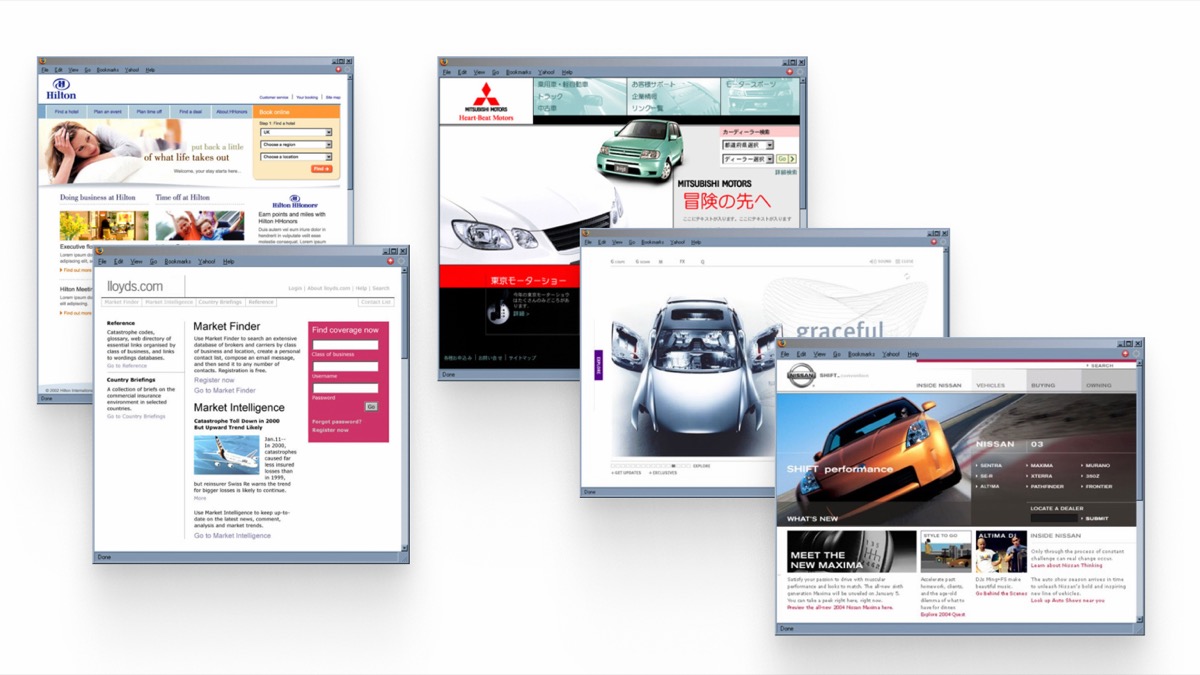
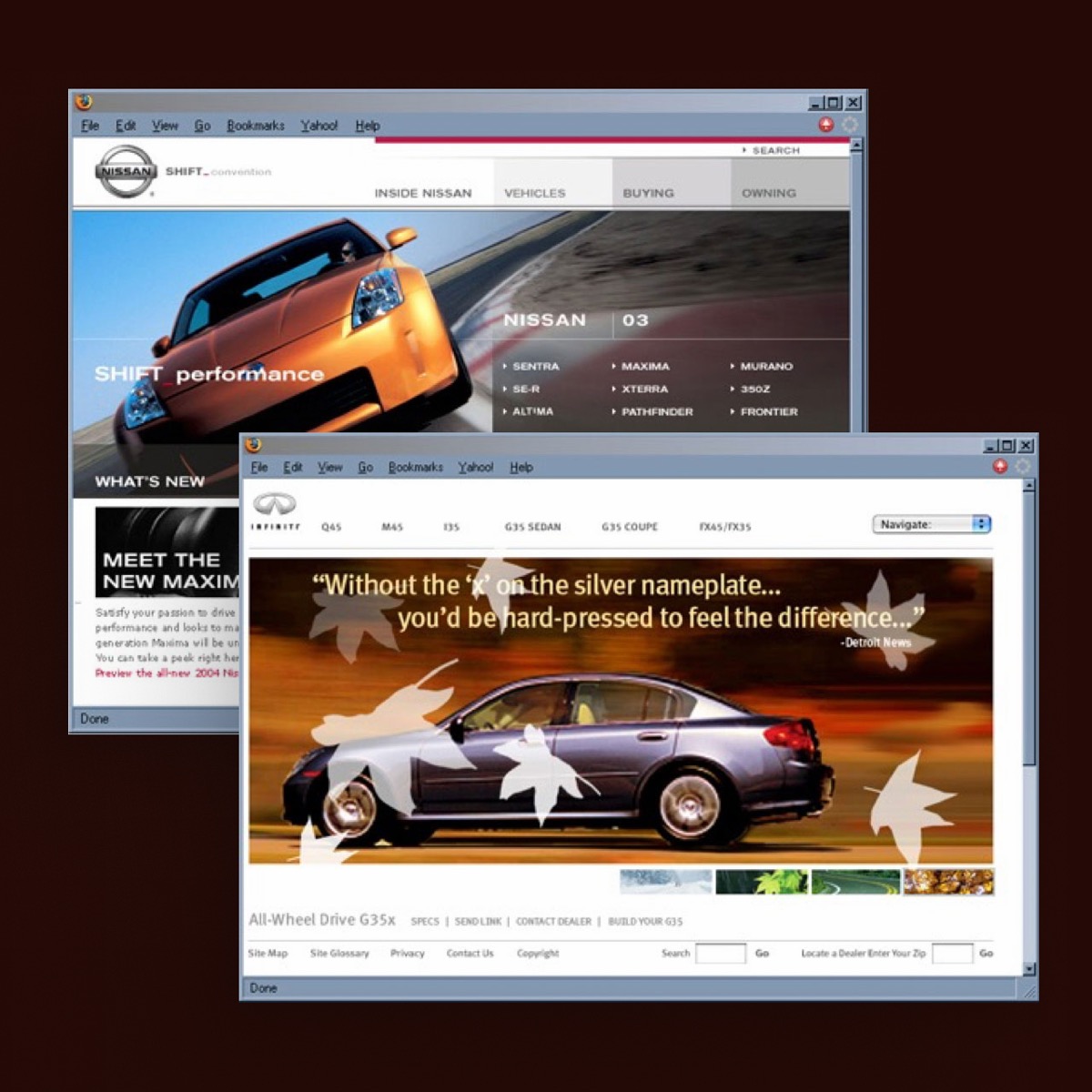
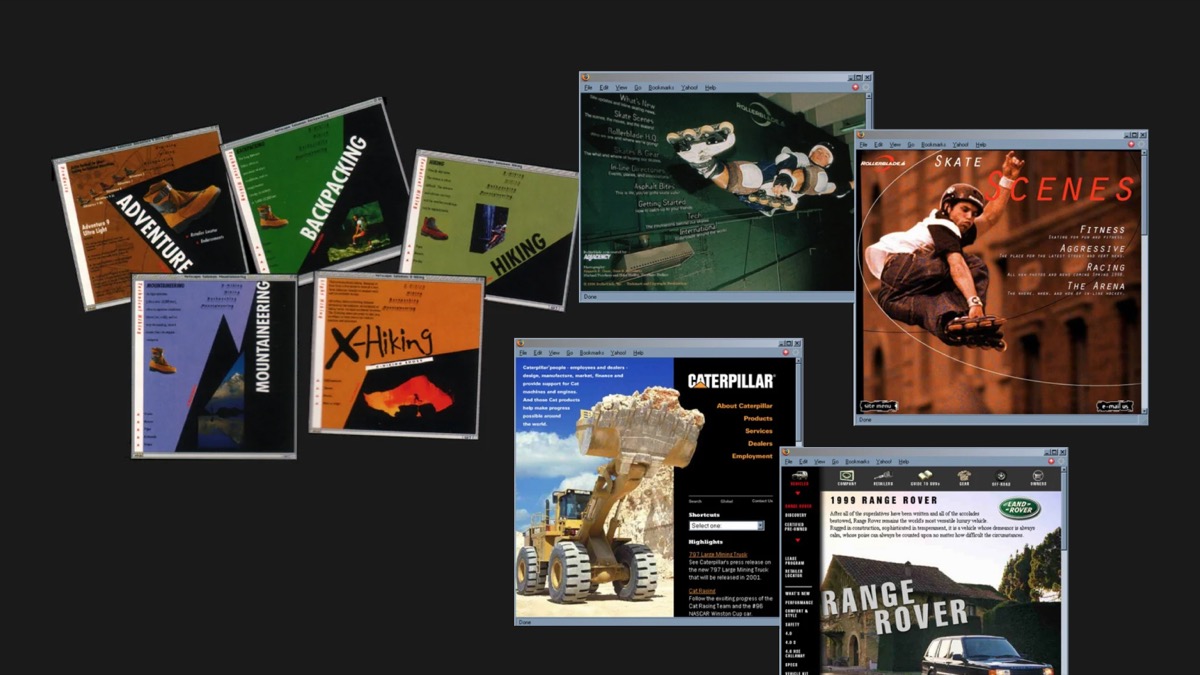
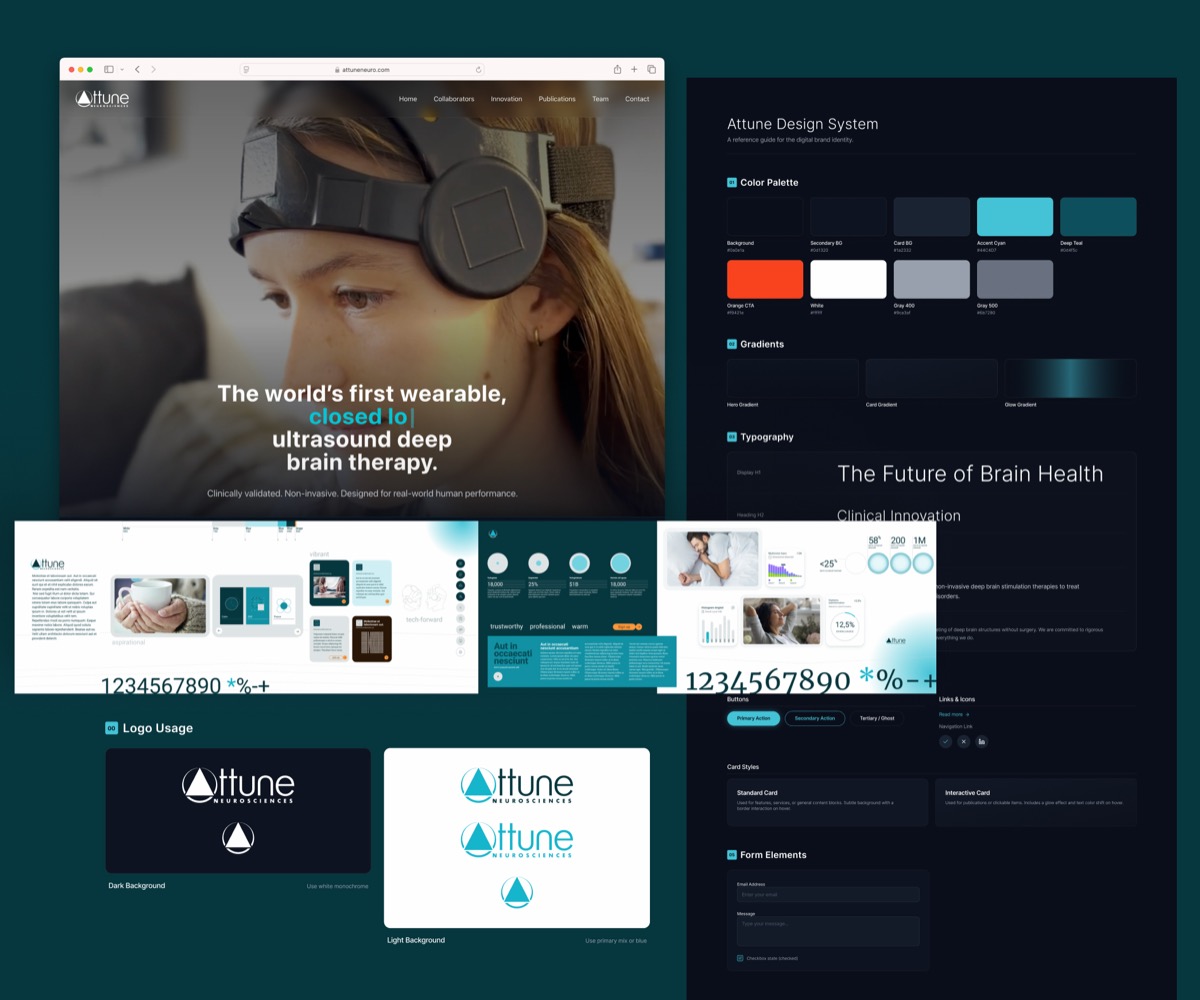
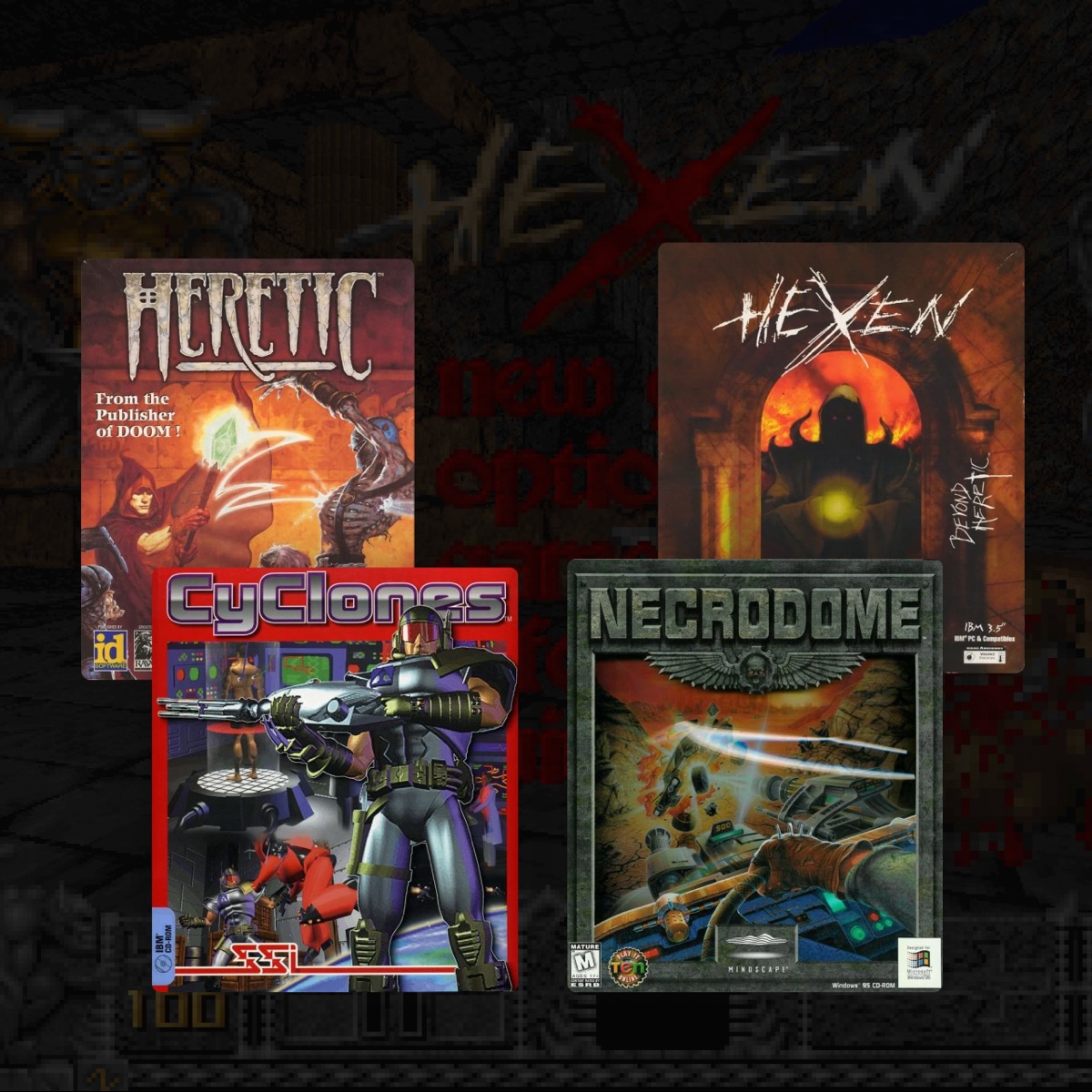
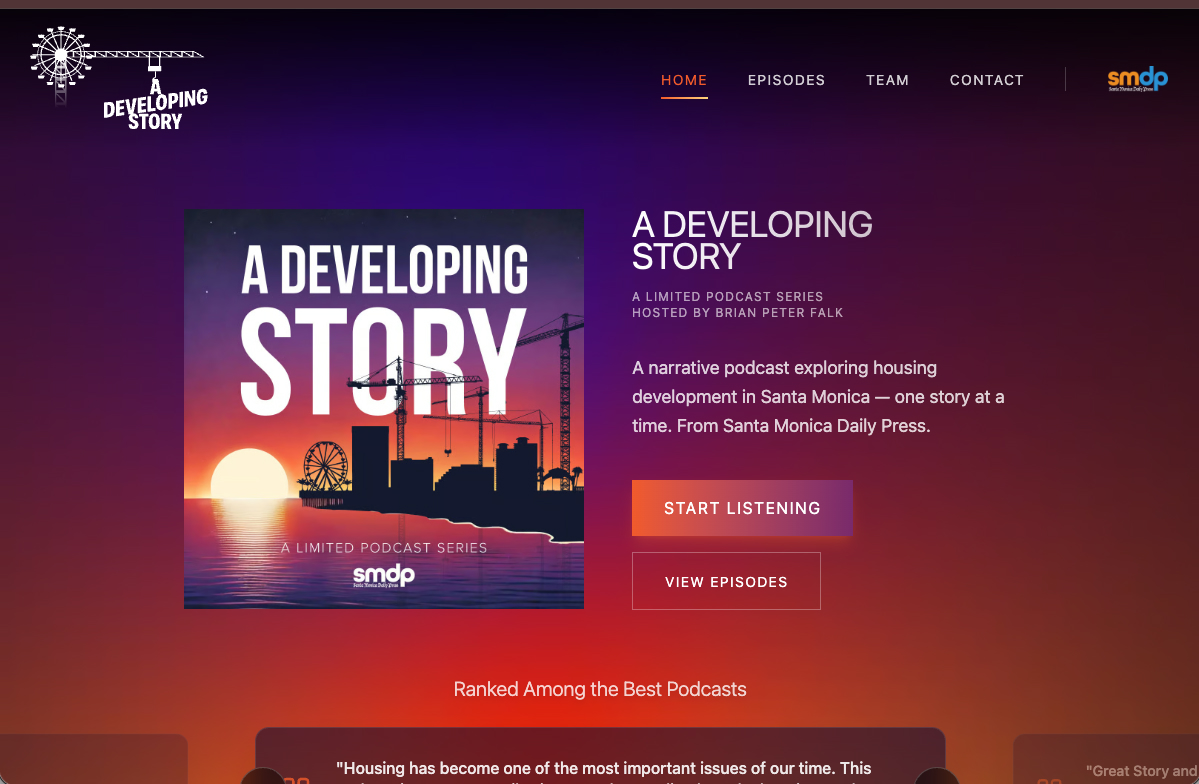
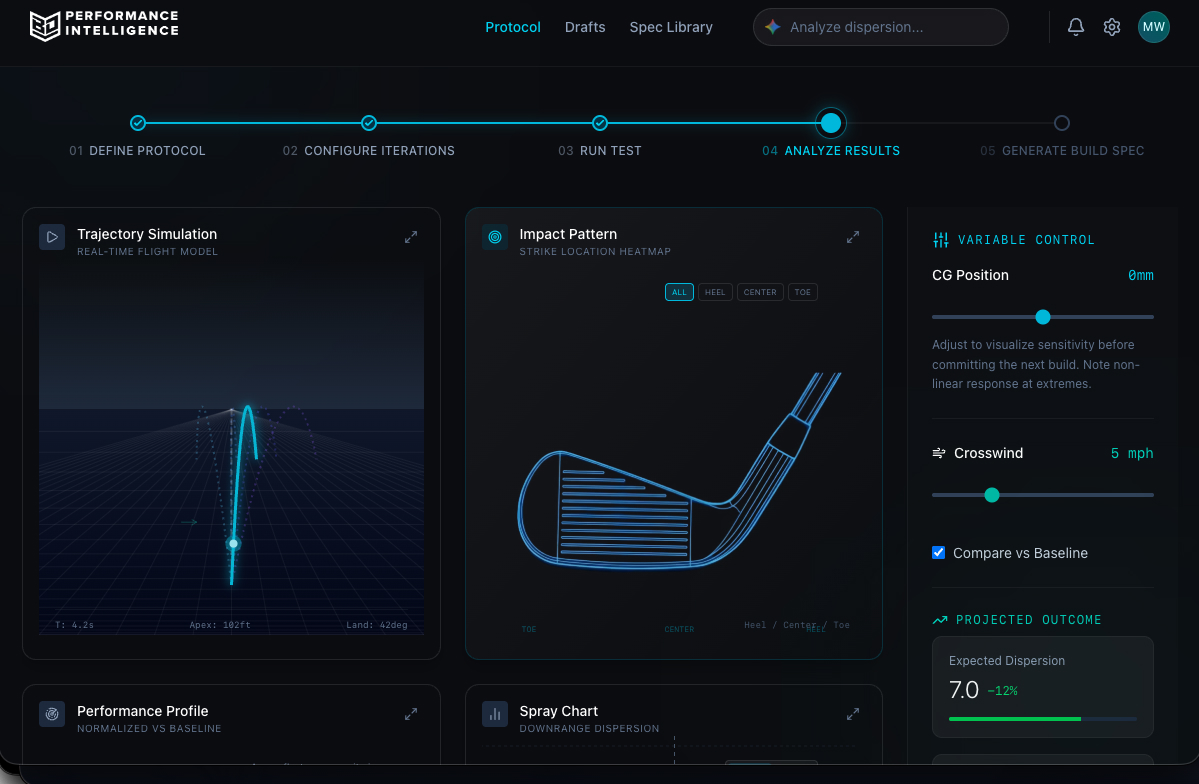
What I’ll show you
The problem → the approach → the move → the payoff
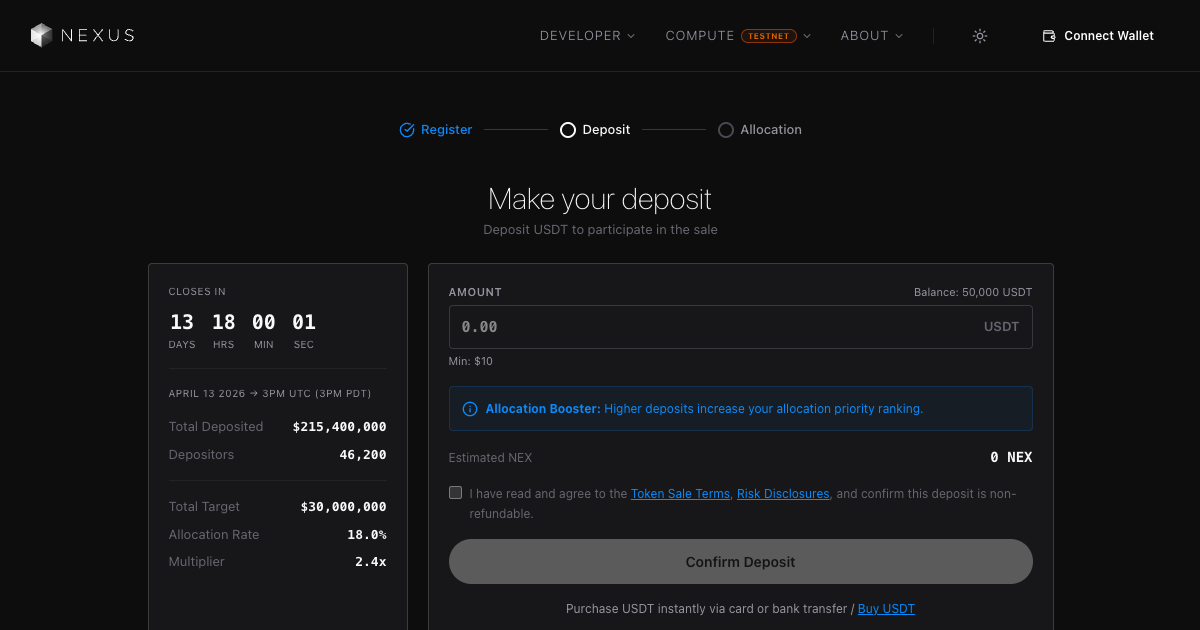
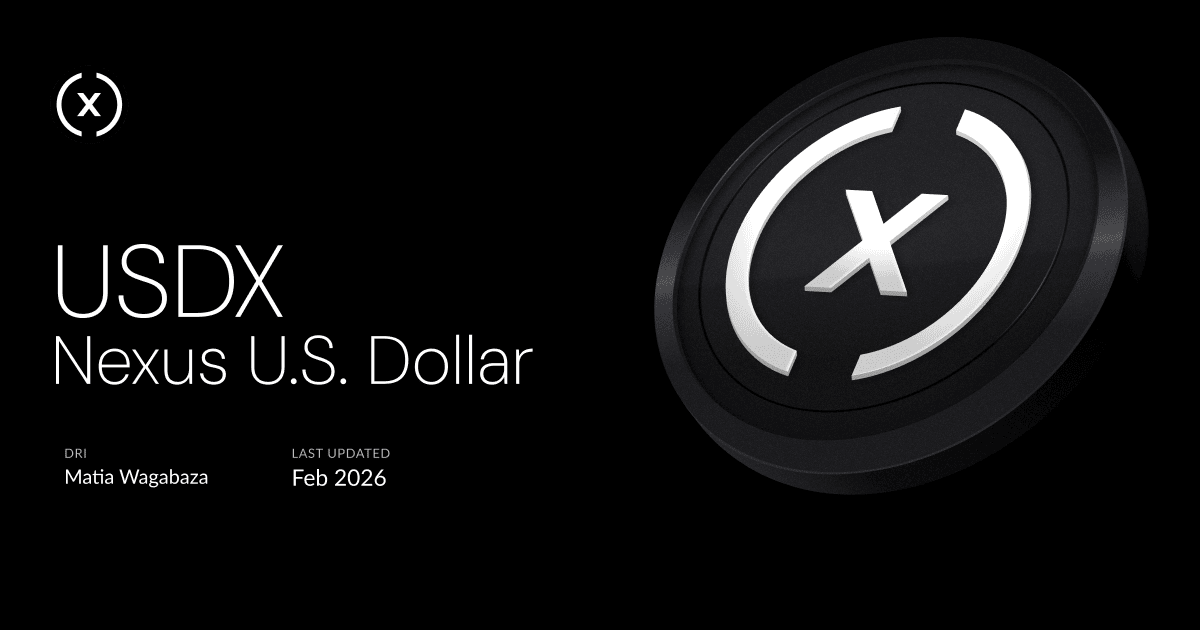
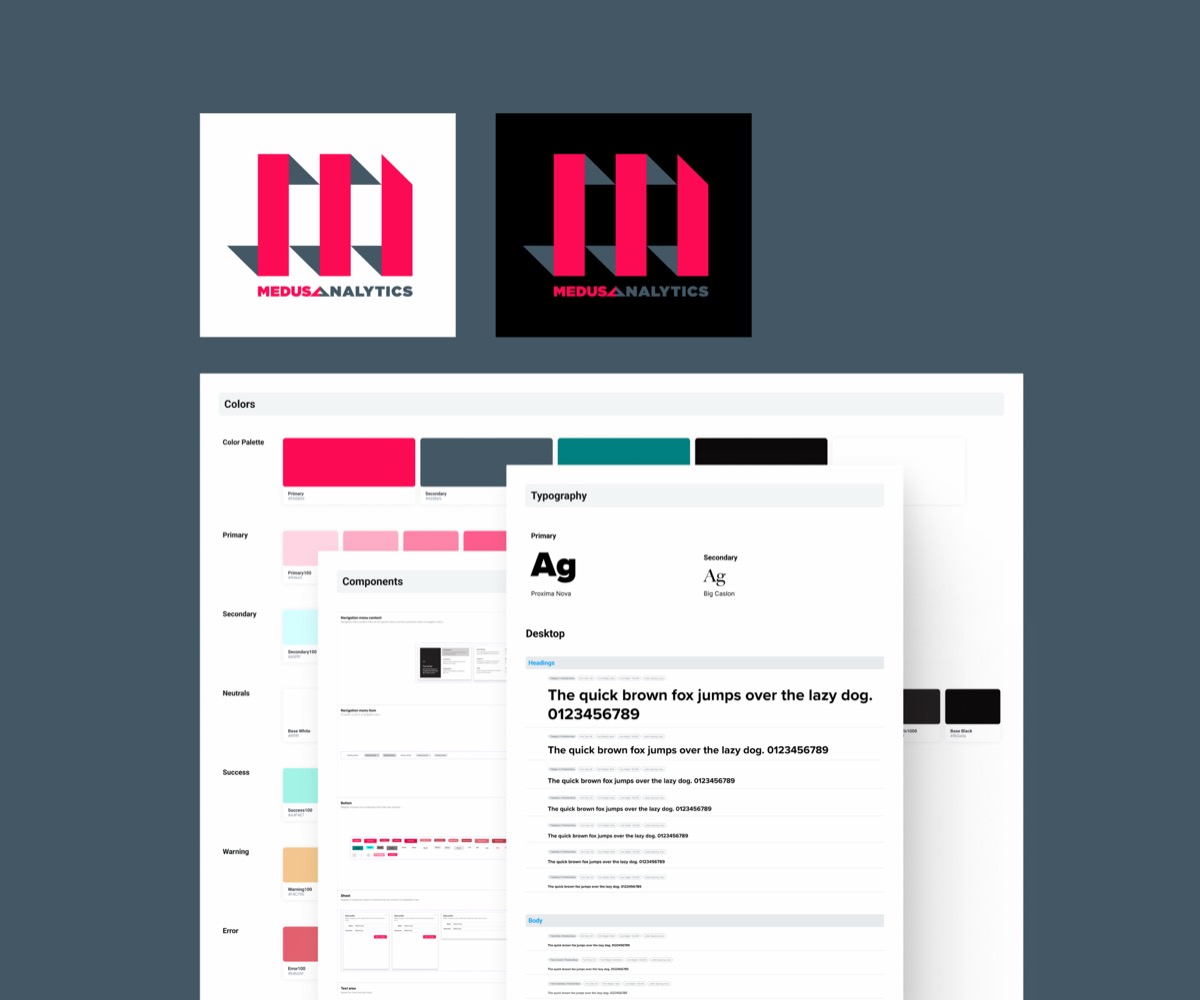
A configurable design language that became the brand glue across their comms.
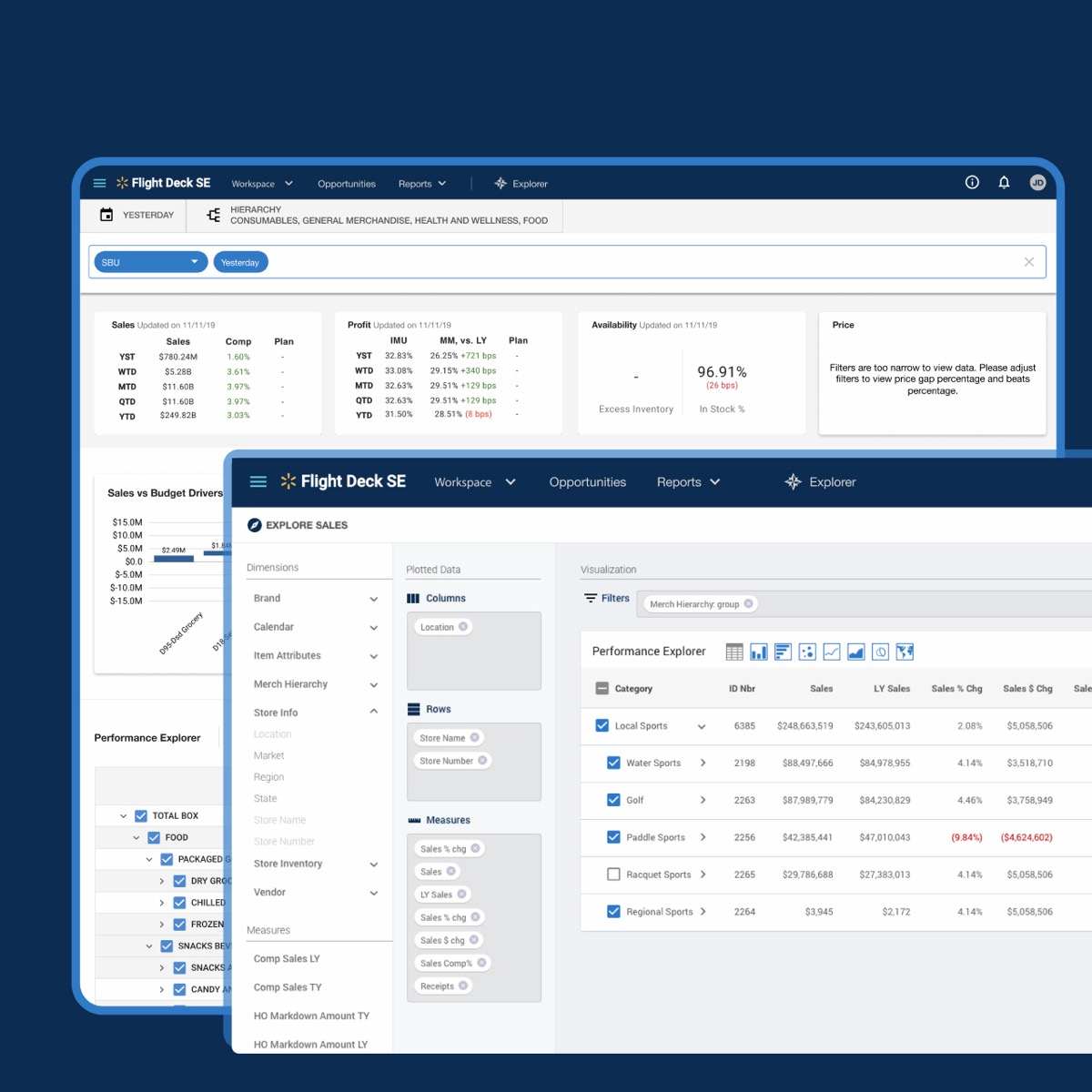
A healthcare command center designed end-to-end.
A podcast brand I designed and built — and why this role caught my attention.
~28 MINUTES PRESENTATION / ~30 MINUTES Q&A
001 — DESIGN SYSTEM
One configurable design language — the brand glue across every surface.
The problem · fragmented comms
Astrodata’s communications were drifting — website, client proposals, pitch decks, sales materials, product demos, each evolving on its own. A senior consultancy that looked inconsistent everywhere a prospect touched it.
So I redesigned the entire suite: website, proposals, decks, demos. One visual language, unmistakably Astrodata on every surface. Here’s the journey.
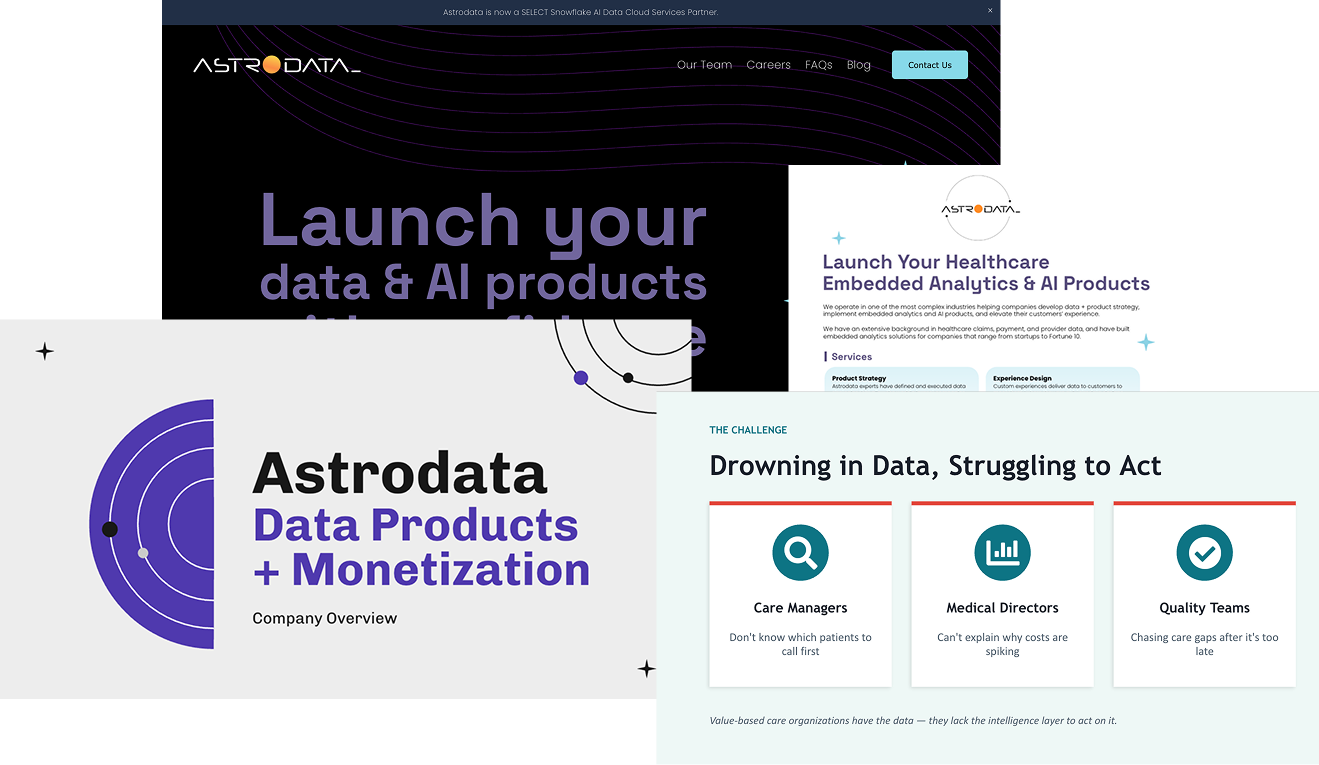
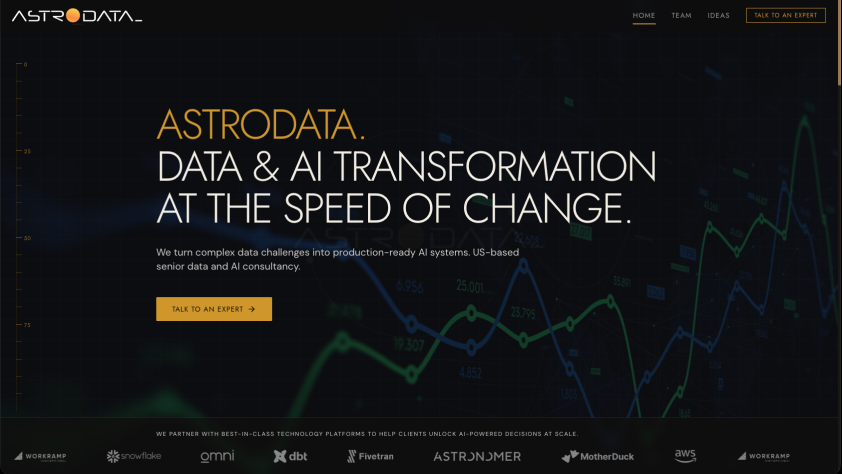
FIG. 01 — astrodata.us · the previous design expression
The approach · the journey
astrodata.us — the marketing site. Partner logos, the data-viz motif, the whole front door, built from the system.
A confidential client proposal as its own microsite — same language, an editorial dark treatment. The pitch becomes an experience, not a PDF.
Investor- and client-facing decks carrying the identical visual language — so every touchpoint reads as one firm.
The system even underpins AXIOM, the flagship demo — we’ll dig into it shortly.
The move · live
Astrodata is data analysts and data engineers — not one designer. The brand had to survive without me. So I didn’t hand them guidelines. I built them a tool.
One token engine, many outputs. They configure; the system generates; the brand holds — with enough range that it never goes stale.
FIG. 02 — The engine · configure place, time, season, weather
The payoff · validation through integration
A system earns trust not in a lab, but by surviving contact with real production.
One coherent language across Astrodata’s website, proposals, decks, sales material, and product.
Engineers extract the tokens straight into builds and into Claude Code — packaged as a reusable frontend skill-set that spins up new sites from any directory.
The system keeps proving and refining itself as new client contexts stress it.
And the same system became the foundation for Astrodata’s flagship product demo — which is where we go next.
002 — PRODUCT
A high-risk patient command center demo for the healthcare sector.
The problem · the brief
Take the partner stack — Tuva (clinical data model), Snowflake Cortex (AI/ML), Omni (embedded BI), dbt underneath — and make it feel like one opinionated, healthcare-grade product.
Two hard deadlines. Audience: healthcare executives. Stretch goal: present alongside Omni’s CEO at a Databricks conference.
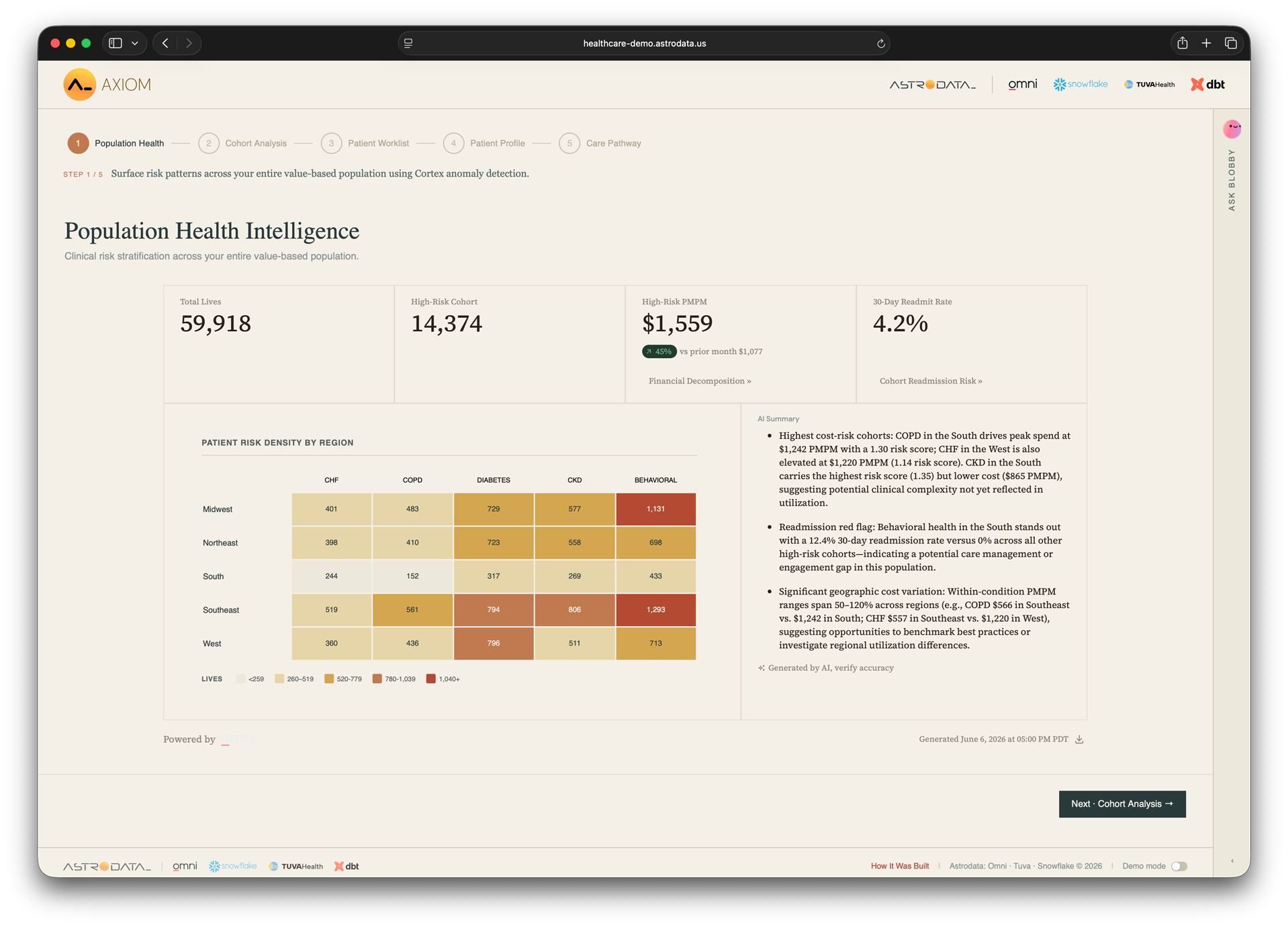
FIG. 02 — Population Health · Cortex risk stratification, partners integrated
The approach · solving the right problem
I started building a product. The real job was a sales tool — and the craft was making it honestly do both.
The wrong problem
My first instinct was to build it as an actual product — and I went too deep, designing for edge cases and states no demo would ever need. I caught myself solving the wrong problem.
The re-scope
Stepped back: the job was a sales tool that showcases the technologies and Astrodata’s expertise in bringing them together. The challenge became making it feel like a credible product and function as an honest pitch — neither a hollow demo nor an over-built app.
The approach · believability was the mechanism
The hard part was never the dashboard. It was making the partner technologies feel like one product — credible to the people who know this work cold.
The real problem
A sales tool that also had to convince working care managers it was a real, opinionated product. If the workflow felt fake, the whole partnership pitch collapsed. Believability was the sales mechanism.
How I kept it honest
Full design process across system, features, and interactions — with a working care manager and a clinical SME (Kelechi) as sounding boards every round, so the story never drifted from how the work actually happens. The framework stayed flexible enough to simplify the narrative — cutting two personas to one — without rebuilding the product.
The move · screen by screen
Risk density across her whole panel — Cortex anomaly detection surfaces where costs are spiking and where to look first.
Ask in plain language, get an answer without leaving the screen. Blobby queries; the Axiom layer acts — orchestrated to feel like one assistant.
Why a cohort’s spend is climbing, which service categories drive it, and which handful of patients account for most of it.
An ML-ranked queue ordered by Cortex readmission probability — instead of gut instinct.
Risk score, conditions, claims timeline, open care gaps — with an AI narrative summary on top.
Select an intervention template, see projected risk and cost impact, approve and deploy in one click.
The move · design-to-code, end to end
Migrated the prototype to a production Next.js app so it could absorb the Omni iframe cleanly and embed into Astrodata’s marketing surface. Run from my own repo with Vercel auto-deploy; collaborator PRs reviewed and merged through my workflow.
Omni’s text and markdown tiles support inline HTML/CSS, so the dashboards carry the AXIOM language â typography, color, hierarchy â rather than the BI vendor’s signature. Cross-iframe interactions wired through postMessage.
The payoff · what it became
Reflection
Visual design at scale is knowing
what to remove.
The work was about removing things — and keeping the story honest — until what was left felt inevitable to the people who know this domain cold.
003 — SIDE PRACTICE
The Beautiful Game, Explained. A podcast brand I designed and built.
The problem · the premise
The Beautiful Game,
Explained.
A podcast for Americans newly curious about soccer ahead of the 2026 World Cup. Brian Falk hosts; I’m the designer and developer.
The challenge I set myself: build a whole brand and product surface solo — for a medium you can’t see. Identity, site, content, community, and the publishing pipeline.
FIG. 04 — Homepage · latest episode hero
The move · the journey
The whole brand in one tension: retro-athletic palette, jersey-italic type, and a mustard highlighter that annotates the sport. The latest episode plays right here.
The show’s educational mission as clear doors — basics, laws, glossary. Welcoming, not lecturing. Nobody gets to feel dumb.
The newcomer’s actual first question, answered plainly: where is the game on, and what does it cost to watch.
The World Cup, day by day, in monospace ticker style — real urgency without breaking the playful tone.
Watch parties and fellow newcomers. Just like your group chat, but with better microphones.
The payoff · why I built it
There’s something specific about designing
for a medium where the words live
in someone’s ears.
The visual language has to support listening, not interrupt it. The brand has to feel like the show sounds. I’ve been thinking about that problem on my own time — and I’d like to do more of it.
What I’m looking for
The chance to do
this work
inside a brand whose mission
I actually care about.
Visual systems. Product design. Hands-on craft. Inside a brand at the intersection of visual experience and audio storytelling — where the bar is unusually high and the medium is genuinely interesting.
Thank you for your time.
matia@wagabaza.com · portfolio.wagabaza.com · design.wagabaza.com
| → / Space | Next — steps through walkthrough images, then next slide |
| ← | Back — steps back through images, then previous slide |
| Home / End | First / last slide |
| N | Toggle speaker notes |
| O | Overview (all slides) |
| F | Fullscreen |
| ? | Toggle this help |
| Esc | Close overlay |